

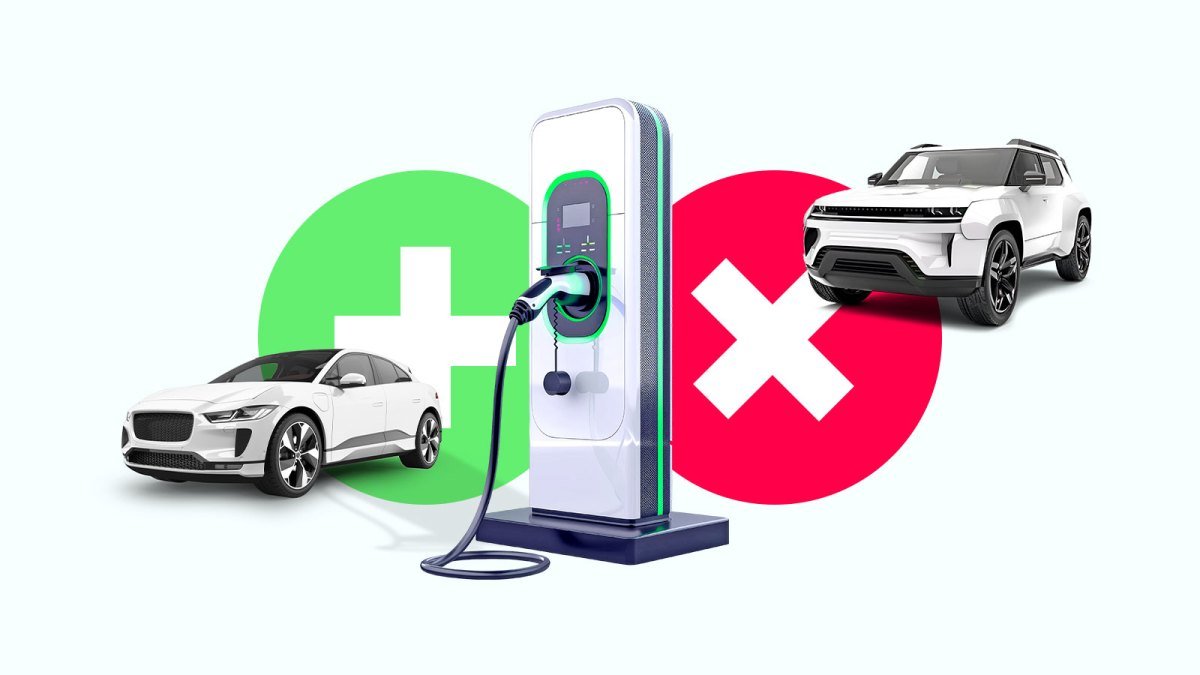
In the last decade, electric cars have gone from being a niche concept to a major talking point in the automotive industry. Everywhere you look—advertisements, social media, and even neighborhood parking lots—electric vehicles (EVs) seem to be gaining ground. They promise a cleaner, greener future with reduced emissions, lower running costs, and cutting-edge technology. Yet, the debate continues: are they truly the inevitable future of transportation, or just another passing trend fueled by hype and government incentives? For every enthusiast who swears EVs are the future, there’s a skeptic who believes they’ll fade away once the excitement dies down. To answer this question, we need to explore the technology, environmental impact, affordability, market trends, and practical challenges that define the EV revolution.
What Makes Electric Cars Different from Traditional Vehicles?
At their core, electric cars replace the internal combustion engine with an electric motor powered by batteries. This means no tailpipe emissions, instant torque, and a much quieter driving experience. Unlike petrol or diesel cars, EVs don’t rely on fossil fuels for daily operation, which gives them a unique appeal in an era of climate consciousness. They also have fewer moving parts, which can mean lower maintenance costs. However, they depend heavily on charging infrastructure and battery technology, which are still developing in many regions.
Why Are Electric Cars Being Called the Future of Transportation?
Several factors drive the belief that EVs are the future. First, there’s the urgent need to address climate change and reduce carbon footprints. Governments worldwide are setting deadlines to phase out fossil fuel vehicles, and automakers are investing billions into EV development. Second, technology is rapidly improving, with better battery range, faster charging, and advanced features like autonomous driving support. Third, consumer awareness about sustainability is at an all-time high, pushing buyers to consider eco-friendly options. Together, these forces make electric cars more than just a passing phase—they’re part of a larger movement toward sustainable mobility.
How Do Electric Cars Benefit the Environment?
Electric cars produce zero tailpipe emissions, which directly reduces urban air pollution. They also contribute to lowering greenhouse gas emissions when charged with renewable energy sources like solar or wind power. Even when powered by electricity from non-renewable sources, EVs generally produce fewer emissions over their lifetime compared to traditional vehicles. Additionally, the quiet operation of EVs reduces noise pollution in cities. However, the environmental benefits depend heavily on how the electricity is generated and how batteries are manufactured and recycled.
Are There Economic Advantages to Owning an Electric Car?
One of the major selling points of electric cars is their lower running cost. Charging an EV often costs less than refueling a petrol or diesel car, especially if charging is done at home during off-peak hours. Maintenance costs are generally lower too, since EVs have fewer moving parts and don’t require oil changes or exhaust system repairs. Many governments also offer incentives, such as tax credits or reduced registration fees, to encourage EV adoption. That said, the upfront purchase price of electric cars can still be higher, though this gap is narrowing as technology advances.
What Challenges Do Electric Cars Face Today?
Despite their advantages, EVs face several hurdles. Limited charging infrastructure remains a concern, particularly in rural or less developed areas. Battery production involves mining rare minerals like lithium and cobalt, raising ethical and environmental issues. Charging times, while improving, are still longer than refueling with petrol. Range anxiety—fear of running out of power mid-journey—remains a barrier for some drivers. Additionally, the resale value of electric cars can be uncertain due to rapid technological changes and battery degradation over time.
How Is Technology Shaping the Future of Electric Cars?
Technological innovation is at the heart of the EV boom. Battery technology is evolving rapidly, delivering longer ranges and faster charging. Solid-state batteries, expected to become mainstream in the near future, promise even greater efficiency and safety. Smart software integration allows EVs to receive over-the-air updates, improving performance and adding new features without a visit to the service center. Autonomous driving technology is also more commonly paired with EVs, as the electric platform supports advanced sensor integration and data processing capabilities.
What Role Do Governments Play in the EV Revolution?
Governments worldwide are actively encouraging the shift toward electric mobility through incentives, subsidies, and stricter emission regulations. Many have announced bans on new petrol and diesel car sales within the next decade or two. Investments in charging infrastructure, renewable energy, and battery recycling programs are also accelerating EV adoption. Without these supportive policies, the growth of electric vehicles might be slower, as market forces alone might not be enough to overcome current challenges.
Can Electric Cars Replace All Petrol and Diesel Vehicles?
While electric cars are rapidly growing in popularity, replacing all petrol and diesel vehicles is a long-term goal that faces several practical challenges. Heavy-duty transport, long-distance travel, and certain industrial applications may still require alternative solutions like hydrogen fuel cells or hybrid systems. The transition will also depend on global infrastructure readiness, energy production capacity, and affordability for the average consumer. However, for everyday city commuting and personal travel, EVs are becoming an increasingly viable alternative.
Is the Public Ready to Fully Embrace Electric Cars?
Consumer perception is improving as awareness grows and charging infrastructure expands. Early adopters have paved the way, sharing positive experiences and dispelling myths about EV performance and reliability. Younger generations, in particular, are more open to adopting new technology and eco-friendly habits. Still, concerns about cost, charging convenience, and long-term durability must be addressed before mass adoption becomes reality. Education campaigns, test drive programs, and transparent information about costs and benefits will play a key role in convincing the public.
How Will the Global Automotive Market Change with EV Adoption?
The shift to electric mobility is already reshaping the automotive market. Traditional carmakers are reinventing themselves, while new EV-only manufacturers are emerging and challenging industry norms. Supply chains are evolving to focus on battery production, renewable energy integration, and smart technology. This transformation also creates opportunities in related sectors—such as charging station manufacturing, battery recycling, and renewable energy storage. In the long run, the rise of EVs could redefine how we design cities, build infrastructure, and think about transportation itself.
Are Electric Cars a Passing Trend or Here to Stay?
Looking at current technological advancements, environmental pressures, and policy changes, it’s clear that electric cars are more than just a passing trend. While challenges remain, the momentum is too strong to ignore. The combination of innovation, government support, and consumer demand makes it likely that EVs will dominate the future of personal transportation. However, they might not be the only solution—other clean energy technologies could work alongside EVs to create a diversified and sustainable mobility ecosystem.
How Can Consumers Decide If an Electric Car Is Right for Them?
For individuals considering the switch, the decision should be based on driving habits, budget, and access to charging infrastructure. Those who drive mainly within cities, have a reliable home charging setup, and want to reduce their carbon footprint will find EVs a compelling choice. Long-distance drivers or those in areas with poor charging access might prefer to wait until the infrastructure catches up. Ultimately, it’s about weighing the benefits against the current limitations and deciding if the timing is right.
What’s the Final Verdict on Electric Cars?
Electric cars represent a major step forward in sustainable transportation. They’re not a fleeting trend, but part of a larger shift toward cleaner, smarter, and more efficient mobility. While they might not completely replace traditional vehicles overnight, their growth trajectory suggests they will play a central role in shaping the future of transport. For now, they stand as both a symbol of innovation and a practical solution to pressing environmental challenges—making them one of the most significant automotive developments of our time.
