

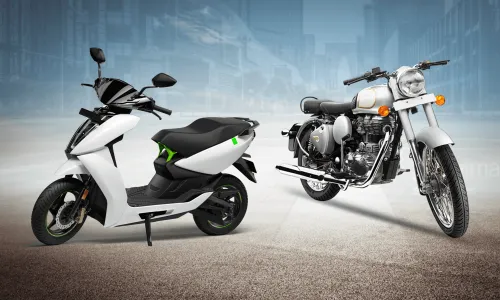
The Reserve Bank of India (RBI) has announced a 25 basis point reduction in the repo rate, bringing it down to 6 per cent. This marks the second rate cut of the year and is expected to provide relief to borrowers, especially those planning to take car loans or two-wheeler loans.
With interest rates easing, monthly EMIs on auto loans could come down in the coming months—provided banks pass on the benefit to customers.
What Is the Repo Rate and Why It Matters?
The repo rate is the interest rate at which the RBI lends money to commercial banks. When the RBI cuts the repo rate:
-
Borrowing becomes cheaper for banks
-
Banks can reduce lending rates
-
Retail loan EMIs may fall
This tool is often used to boost consumption and economic growth, especially during periods of slowing demand.
How the Repo Rate Cut Affects Car and Bike Loan EMIs
Lower repo rates usually lead to reduced interest rates on floating-rate loans, including:
-
Car loans
-
Two-wheeler loans
-
Personal loans
If banks transmit the full 0.25% rate cut, borrowers could see noticeable savings over the loan tenure.
Example: Car Loan EMI Savings
For instance:
-
Loan amount: ₹10 lakh
-
Tenure: 5 years
-
Old interest rate: 8.95%
-
Revised interest rate: 8.70%
This could lower the monthly EMI by around ₹120, resulting in total savings of over ₹7,000 across the loan period.
While the monthly reduction may appear small, the cumulative savings can be meaningful for budget-conscious buyers.
Who Will Benefit the Most?
✅ Floating Rate Loan Borrowers
Customers with loans linked to external benchmarks like the repo rate are most likely to benefit, as their EMIs adjust when rates fall.
❌ Fixed Rate Loan Borrowers
Borrowers with fixed-interest loans will not see any change, as their interest rate remains locked for the entire tenure.
Impact on Automobile Demand
Industry experts believe that lower EMIs can:
-
Improve affordability for first-time buyers
-
Encourage purchases in entry-level and mid-size segments
-
Support demand in both urban and rural markets
Combined with recent tax relief measures, the current policy environment may positively influence vehicle sales in 2025–26.
Will Banks Pass on the Full Benefit?
While the RBI has reduced the repo rate, actual EMI reduction depends on banks. In the past, rate transmission has sometimes been slow due to:
-
High cost of funds
-
Asset-liability mismatches
-
Internal lending policies
Borrowers may need to wait a few weeks or months to see the full impact.
What Borrowers Should Do Now
If you are planning to buy a car or two-wheeler:
-
Compare loan offers across banks and NBFCs
-
Prefer floating interest rate loans
-
Ask lenders about expected rate revisions
-
Consider refinancing if you already have a high-interest loan
RBI’s Policy Outlook Going Forward
The RBI has maintained an accommodative stance, signalling its intent to support economic growth amid global uncertainties and slowing private consumption. However, future rate cuts will depend on inflation trends and global economic conditions.
Final Word
The RBI’s decision to cut the repo rate to 6% is a positive development for auto loan borrowers. If banks pass on the benefit quickly, car and two-wheeler buyers could enjoy lower EMIs and improved affordability in the months ahead.
For consumers planning a vehicle purchase in 2025, this could be a good time to explore financing options.
